Shawnee pottery value is comprehensively explored in a recently published guide, boasting over 1,200 color photos and detailed listings. This resource aids collectors
in identifying, researching, and accurately assessing the worth of their pieces, covering production dates and histories.
Understanding the Market
The market for Shawnee pottery is vibrant and continually evolving, driven by a dedicated collector base and increasing awareness of its historical significance. WorthPoint stands as the largest online resource for identifying and researching pieces, indicating a strong digital presence within the collecting community. Current trends show particular interest in Shawnee corn pieces, especially during autumn months, influencing both buying and selling activity.
However, navigating this market requires understanding several key factors. The availability of a detailed guide, featuring over 1,200 color photographs, is crucial for accurate valuation. Price guides and online resources are essential tools, but the condition of the pottery significantly impacts its worth. Demand fluctuates based on rarity, design, and the presence of original labels – arrowhead versus tomahawk markings being a critical distinction.
The market also responds to newly discovered or previously unseen items, as highlighted by the recent publication containing pieces not previously documented in print. This dynamic nature emphasizes the need for ongoing research and access to comprehensive reference materials for both seasoned collectors and newcomers alike.
Condition and Value Assessment
Accurately assessing the value of Shawnee pottery hinges significantly on its condition. Pristine pieces, free from chips, cracks, crazing, or repairs, command the highest prices. Even minor imperfections can substantially decrease value, requiring careful examination. The presence of original paper labels – specifically the arrowhead mark versus the later tomahawk – is a major factor, with intact labels adding considerable worth.
However, even without labels, incised “USA” marks on the bottom can authenticate a piece, though they don’t guarantee premium pricing. Detailed guides, like the one featuring over 1,200 color photos, are invaluable for comparing pieces and identifying subtle flaws. Understanding production dates and variations also aids assessment.
Collectors utilize resources like WorthPoint to research comparable sales and establish fair market values. Remember, a comprehensive guide provides descriptions, current values, and extensive histories, empowering collectors to make informed decisions. Thorough documentation and high-quality photographs are essential when buying, selling, or insuring Shawnee pottery.
Identifying Authentic Shawnee Pottery
Determining the authenticity of Shawnee pottery requires a keen eye and familiarity with its markings and characteristics. The presence of an original paper label is a strong indicator, but be aware of reproductions featuring a tomahawk mark – genuine pieces typically display an arrowhead. However, many authentic pieces only bear incised “USA” marks on the bottom, even if the original label is missing.
Detailed guides, containing extensive photographs, are crucial for comparing pieces and recognizing subtle differences in design and clay composition. Pay close attention to the quality of the paint and the crispness of the details. Reproductions often exhibit less refined craftsmanship.
Researching known patterns and variations is essential. The recently published guide showcases items never before printed, offering invaluable comparative material. Utilizing online resources and consulting with experienced collectors can further aid in authentication. Remember, a thorough understanding of Shawnee’s history and production techniques is key to identifying genuine pieces and avoiding fakes.
Resources for Continued Research
For those seeking to deepen their knowledge of Shawnee pottery and its value, several resources are readily available. WorthPoint stands out as the largest online database for identifying and researching collectibles, including Shawnee pieces. The recently published comprehensive guide, featuring over 1,200 color photographs, serves as an invaluable reference, showcasing previously unseen items and detailed listings.
Expanding your network by connecting with experienced collectors and attending antique shows can provide firsthand insights and opportunities to examine pieces. Online forums and social media groups dedicated to Shawnee pottery offer platforms for sharing information and seeking expert opinions.
Don’t underestimate the power of libraries and historical societies, which may hold archival materials related to the Shawnee Pottery company. Regularly consulting price guides and staying updated on current market trends will ensure you have the most accurate valuation information available. Continued research is key to becoming a knowledgeable and confident Shawnee pottery collector.
A History of Shawnee Pottery
Shawnee Pottery began production in Zanesville, Ohio, in 1937, and ceased operations in 1961. Understanding this timeframe is crucial when researching and evaluating piece values.
Shawnee Pottery History and Photographs
The history of Shawnee Pottery is richly documented, and a recent guide leverages this with an extensive collection of photographs – over 1,200 in total! This visual resource is invaluable for collectors seeking to accurately identify and value their pieces. The company’s origins trace back to 1937 in Zanesville, Ohio, a region known for its ceramic production.
Early Shawnee pieces often featured whimsical designs, particularly those related to nature and American folklore. The photographs in the guide showcase the evolution of these designs over the company’s 24-year lifespan. Examining these images allows collectors to pinpoint production periods and identify variations that impact value. The guide doesn’t just present pictures; it provides historical context, detailing the influences behind the designs and the techniques used in their creation.
Furthermore, the photographic documentation extends to the various marks and labels used by Shawnee, a critical aspect of authentication and valuation. The inclusion of previously unpublished items adds to the guide’s significance, making it a truly comprehensive resource for both novice and experienced collectors. The detailed imagery helps discern authentic pieces from reproductions, a common concern in the market.
The Shawnee Plant Tour (Historical Context)
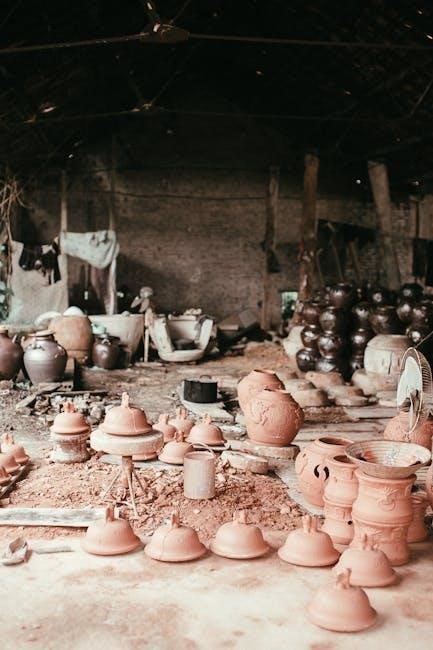
Understanding the operational context of the Shawnee Pottery plant in Zanesville, Ohio, provides valuable insight for collectors assessing piece value. A historical account of a plant tour reveals the scale of production and the craftsmanship involved. Established in 1937, the facility initially capitalized on existing ceramic expertise within the region, benefiting from a skilled workforce familiar with pottery techniques.
The tour details highlight the multi-stage process, from initial clay preparation and mold creation to the intricate hand-painting and glazing that characterized many Shawnee pieces. This labor-intensive approach contributes to the collectibility and, consequently, the value of authentic items. Observing the production line would have showcased the blend of mass-production methods with artistic detailing.
Knowledge of the plant’s layout and workflow helps explain variations in quality and design. Limited edition runs or pieces created by specific artisans may command higher prices. The guide referencing the plant tour provides a deeper appreciation for the manufacturing process, aiding collectors in discerning genuine Shawnee pottery and understanding the factors influencing its worth.
Management and Key Personnel
Researching the management and key personnel behind Shawnee Pottery significantly impacts a collector’s understanding of piece value. While detailed records are sometimes scarce, identifying influential figures sheds light on design direction and production quality. Understanding who oversaw operations during specific periods can explain stylistic shifts and variations in markings.
The company’s leadership influenced the types of pottery produced, from the popular corn pieces and whimsical cookie jars to more elaborate decorative items. Knowing the designers responsible for particular lines allows collectors to attribute specific aesthetics and potentially assess rarity. Identifying key employees involved in glazing or hand-painting can also indicate superior craftsmanship.
Information about management changes or financial pressures faced by the company can contextualize production runs and explain why certain pieces are more scarce than others. This historical context, combined with knowledge of personnel, provides a more nuanced approach to valuation, moving beyond simply identifying the item to understanding its origins and creation.
Labels and Marks: A Crucial Guide
Shawnee pottery identification heavily relies on understanding its labels and marks, making this a crucial aspect of value assessment. Most pieces originally featured only paper labels, which are frequently lost or damaged over time. However, many Shawnee pieces do bear incised “USA” marks on the bottom, even without the paper label present – a vital clue for authentication.
Distinguishing between original and reproduction pieces hinges on label details. Period pieces typically showcase an arrowhead-shaped label, while reproductions often display a tomahawk. This seemingly small difference is a significant indicator of authenticity and impacts value considerably. Collectors must carefully examine any remaining label fragments.
The presence, condition, and type of mark directly influence a piece’s worth. A pristine original label dramatically increases value, while a missing label necessitates reliance on the “USA” mark and stylistic analysis. Thoroughly documenting any marks, including photographs, is essential for accurate appraisal and informed collecting decisions.
USA Marks and Their Significance
The presence of “USA” marks on the underside of Shawnee pottery is a frequently encountered, yet often misunderstood, aspect of authentication and valuation. While many pieces initially relied solely on paper labels, a substantial number also feature these incised markings, providing a valuable secondary identifier, particularly when labels are absent or deteriorated.
It’s crucial to understand that the “USA” mark doesn’t guarantee authenticity on its own. Reproductions have also been produced with similar markings, attempting to mimic the originals. However, the consistent application of these marks by Shawnee during its production run (1937-1961) makes their presence a strong indicator of genuine Shawnee origin.
Collectors should note the style and clarity of the mark. While variations exist, a well-defined “USA” mark, coupled with appropriate stylistic features and form, significantly supports a piece’s authenticity. Careful examination alongside other identifying characteristics, like shape and glaze, is essential for accurate assessment and determining true value.
Paper Labels: Arrowhead vs. Tomahawk
Shawnee pottery’s original identification largely depended on paper labels, now often lost or damaged with age. A key distinction for collectors lies in the label’s design: the presence of either an arrowhead or a tomahawk symbol. This difference is a critical indicator of originality versus reproduction.
Authentic, period Shawnee pieces predominantly featured labels displaying an arrowhead design. This arrowhead label signifies production during the company’s active years, from 1937 to 1961. Its presence substantially increases a piece’s value and confirms its vintage;
Conversely, reproductions of Shawnee pottery often utilize labels bearing a tomahawk symbol. This deliberate alteration was employed by later manufacturers attempting to replicate the style, but the tomahawk serves as a clear signal of a non-original item.
Therefore, when evaluating a piece, the label – if present – is paramount. An arrowhead label is a strong positive indicator, while a tomahawk label immediately suggests a reproduction, impacting its collectible worth significantly.
Valuing Specific Shawnee Pottery Items
Shawnee corn pieces are currently trending, while cookie jars remain consistently popular. Accurate valuation requires current price guides, detailed color photos, and understanding production dates.
Shawnee Corn Pieces: Current Trends
As autumn approaches, interest in Shawnee corn pottery experiences a notable surge, making it an opportune moment for collectors to buy, sell, or incorporate these pieces into seasonal décor. These charming representations of corn, often in the form of shakers, casseroles, or individual ears, hold a special place within the broader Shawnee pottery landscape.
Currently, the market demonstrates a strong demand for well-preserved corn pieces, with values fluctuating based on rarity, condition, and the presence of original paper labels. Pieces exhibiting vibrant colors and minimal wear command higher prices. The 70 cream pitcher and 73 corn variations are particularly sought after by enthusiasts.
Understanding the nuances of these items is crucial for accurate valuation. Collectors should pay close attention to markings – the distinction between arrowhead and tomahawk paper labels is a key indicator of age and authenticity. Furthermore, the presence of incised USA marks on the bottom, even without the original label, can confirm genuine Shawnee production. Consulting recent price guides and online resources, alongside careful examination of comparable pieces, will empower collectors to navigate the current trends and determine fair market value.
Shawnee Cookie Jars: Popularity and Pricing
Shawnee cookie jars consistently rank among the most popular and collectible items produced by the company, driving significant interest within the pottery market. Their whimsical designs, often depicting animals or cartoon characters, appeal to a broad range of collectors, contributing to sustained demand and varied pricing structures.
The value of a Shawnee cookie jar is heavily influenced by its rarity, condition, and the desirability of its design. Certain character jars, particularly those in excellent condition with intact lids and original paint, can fetch substantial prices. Factors like the presence of original paper labels also significantly impact value.
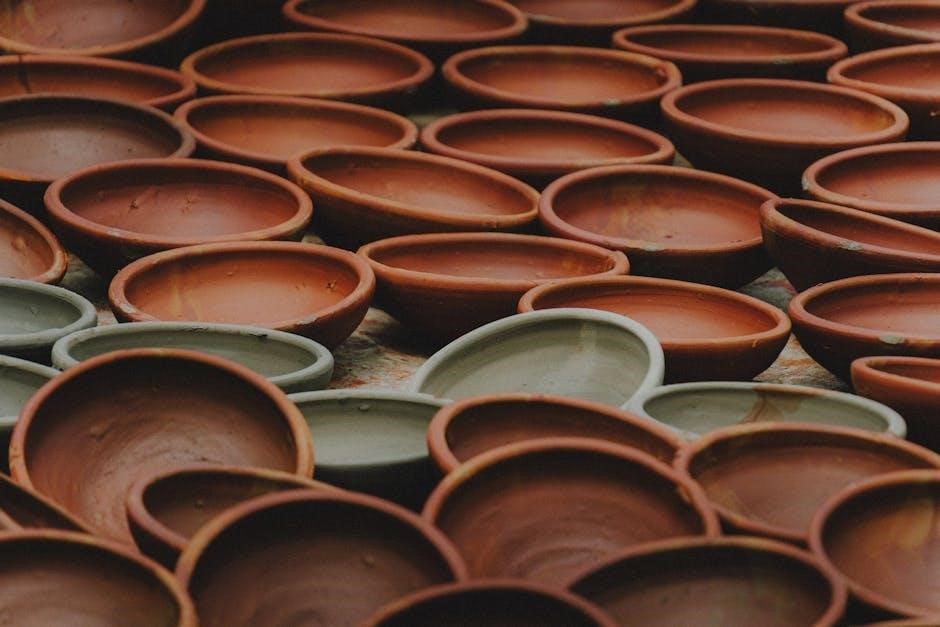
Currently, prices range considerably, from approximately $50 for common designs in fair condition to several hundred dollars for rare or pristine examples. Online resources like WorthPoint provide valuable data for researching comparable sales and establishing accurate valuations. Collectors should meticulously examine each jar for chips, cracks, or repairs, as these flaws will detract from its overall worth. A comprehensive guide, featuring detailed photographs, is essential for informed purchasing and selling decisions within this dynamic market.
Rare and Highly Collectible Pieces
Identifying rare Shawnee pottery pieces is crucial for serious collectors aiming to maximize their investments. Beyond the popular corn pieces and cookie jars, certain figural items and unique color variations command premium prices within the market. Pieces exhibiting unusual designs, limited production runs, or experimental glazes are particularly sought after.
Examples of highly collectible Shawnee pottery include specific variations of the dog figurines, certain bird designs, and pieces featuring intricate hand-painted details. Items with documented provenance – a clear history of ownership – also tend to be more valuable. The condition of these rare pieces is paramount; even minor flaws can significantly diminish their worth.
A comprehensive value guide, incorporating detailed photographs and historical context, is indispensable for accurately assessing the rarity and potential value of these treasures. Collectors should consult multiple resources, including price guides and online auction records, to establish a realistic market valuation. The discovery of previously unseen items continues to excite the Shawnee pottery community, highlighting the potential for uncovering hidden gems.
Utilizing Price Guides and Online Resources
Determining the value of Shawnee pottery requires diligent research, and leveraging both dedicated price guides and online resources is essential; While published guides offer a structured overview of pricing trends, they can quickly become outdated. Therefore, supplementing this information with real-time market data is crucial for accurate valuations.
WorthPoint stands out as the largest online resource for identifying and researching Shawnee pottery, providing access to a vast database of past auction results and sales records. Online auction platforms like eBay can also offer valuable insights into current market prices, but it’s important to critically evaluate listings and consider the condition of the items sold.
Remember to compare prices across multiple sources and factor in variations in color, size, and condition. High-quality color photographs are indispensable when assessing value online, allowing for a detailed examination of the piece. Combining the expertise found in printed guides with the dynamic data available online provides the most comprehensive approach to understanding Shawnee pottery value.
The Importance of Color Photos in Valuation
Accurate Shawnee pottery valuation heavily relies on visual assessment, making high-quality color photographs absolutely indispensable. Subtle variations in glaze, paint details, and overall condition significantly impact an item’s worth, and these nuances are often impossible to discern from descriptions alone.
A clear, well-lit photograph allows potential buyers and appraisers to thoroughly examine the piece for any chips, cracks, crazing, or repairs. Detailed images showcasing the underside of the pottery, including any markings or labels, are also crucial for authentication and identification. The recently published Shawnee pottery guide features over 1,200 color photos, recognizing this vital need for visual reference.
When researching online, prioritize listings with multiple, high-resolution images. Avoid relying on blurry or poorly lit photos, as they can obscure critical details. Remember, a picture truly is worth a thousand words when determining the value of these collectible pieces, ensuring a fair and informed transaction for both buyer and seller.