
Successfully erecting a canopy tent requires understanding its components and prioritizing safety. A quality, fully enclosed rainfly is crucial for staying dry, alongside vestibules for gear.
Understanding Your Canopy Tent Components
A complete canopy tent setup typically includes several key components. First, you’ll have the frame, often constructed from steel or aluminum, providing the structural support. The canopy top, usually made of polyester or polyethylene, offers shade and protection from the elements.
Essential accessories often accompany the core components. Sidewalls provide enclosure and wind protection, while weight bags and stakes secure the tent to the ground. Don’t overlook the user manual; it’s invaluable, especially if the original is lost – most manufacturers offer downloadable versions online.
Remember, a full rainfly extending to the ground is vital for complete weather protection, preventing both external wetness and internal condensation. Vestibules, covered areas in front of doors, are excellent for gear storage.
Safety Precautions Before Assembly
Prior to assembling your canopy tent, carefully assess the surrounding area for potential hazards like overhead power lines or low-hanging branches. Ensure a level surface, avoiding slopes that could compromise stability.
Always work with a partner if possible; canopy tents can be unwieldy, and assistance speeds up the process and reduces strain. Be mindful of wind conditions – strong gusts can make assembly difficult and even dangerous.
Inspect all components for damage before beginning. Never attempt to use a damaged frame or canopy top. Remember, the “instant up” feature is often a gimmick; a well-practiced manual setup is generally more reliable. Prioritize a tent with a full rainfly for optimal protection.
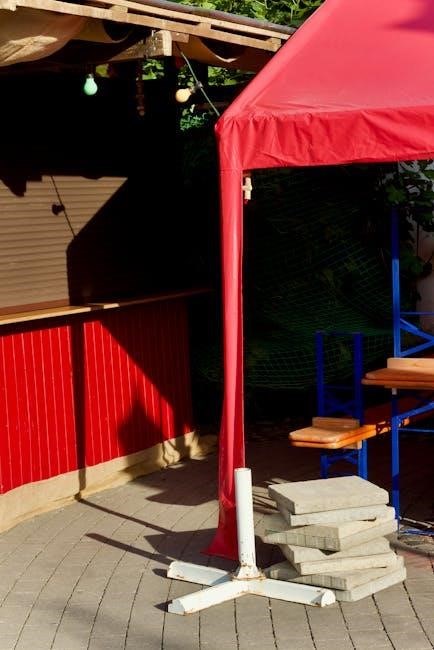
Step-by-Step Assembly Guide
Follow these instructions carefully: unpack, extend the frame, lock it securely, and then attach the canopy top, ensuring a taut and stable structure.
Step 1: Unpacking and Inventory
Begin by carefully unpacking all components of your canopy tent. Lay everything out in a clear, spacious area to facilitate a thorough inventory. Confirm you have the frame sections, the canopy top, stakes, ropes, and any included sidewalls or accessories. Crucially, locate the user manual – if missing, search online using the model number. A “helping hand” is beneficial, but solo assembly is possible with practice. Ensure all parts are present before proceeding; missing components will halt progress. Double-check against the packing list to avoid frustration later. Having everything readily available streamlines the setup process and prevents unnecessary delays. Remember, a complete inventory is the foundation of a successful canopy tent assembly.
Step 2: Extending the Frame
With all components inventoried, begin extending the canopy frame. Most frames utilize a telescoping leg design; carefully pull each section to its full length, ensuring each locking button or pin clicks securely into place. Avoid forcing any section, as this could damage the mechanism. Lay the extended frame on a flat surface to maintain stability during the next steps. It’s helpful to have an assistant to hold sections steady. Practice extending and collapsing the frame a few times before full assembly to familiarize yourself with the process. A level frame is essential for a taut canopy top, so take your time and ensure each leg is fully extended and locked.
Step 3: Locking the Frame
Once the frame is fully extended, the crucial step is locking it into position. Locate the locking mechanisms – typically buttons, pins, or levers – at each joint of the frame. Firmly press or slide these mechanisms until they audibly click, indicating a secure lock. Double-check each joint to confirm it’s properly engaged; a loose connection can lead to frame collapse. Some frames feature height adjustment options at this stage, allowing you to customize the canopy’s height. Ensure all legs are set to the same height for a level canopy. A stable, locked frame is the foundation for successful canopy setup, preventing wobbling and ensuring safety.
Step 4: Attaching the Canopy Top
With the frame securely locked, carefully drape the canopy top over it. Align the corners of the canopy with the corresponding corners of the frame. Most canopy tops attach via Velcro straps, clips, or ties. Begin securing the canopy at opposite corners, working your way around the frame to distribute tension evenly. Ensure the fabric is taut but not overly stretched, preventing damage. Pay close attention to the direction of the canopy fabric – some designs have a specific orientation. A properly attached canopy top will be smooth and wrinkle-free, providing optimal shade and weather protection.
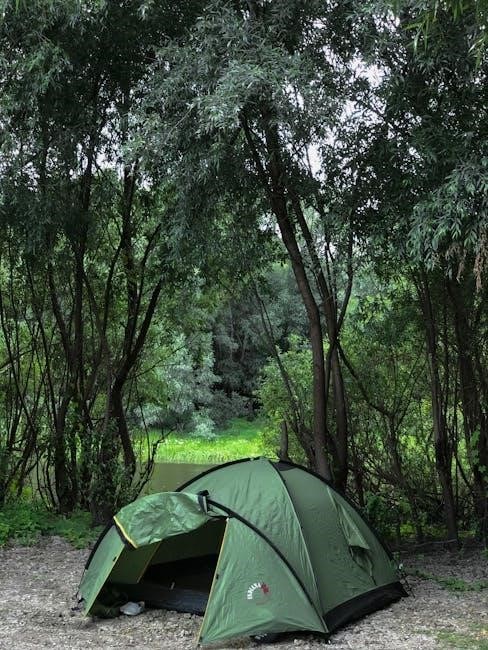
Securing Your Canopy Tent
Proper anchoring is vital for stability, especially in wind. Utilize stakes for ground anchoring or weight bags for hard surfaces, adjusting tension for a taut fit.
Step 5: Using Stakes for Ground Anchoring
When securing your canopy tent with stakes, begin by identifying the stake loops located on the corners and potentially along the sides of the canopy’s feet. These loops are designed to accommodate the stakes, providing a secure anchor point. Insert the stakes at a 45-degree angle, pointing away from the tent, to maximize holding power.
Ensure the stakes are fully hammered into the ground, leaving only a small portion exposed for removal; For softer ground, consider using longer, heavier-duty stakes. If encountering particularly hard ground, pre-digging a small hole can ease insertion and prevent bending the stake. Regularly check stake placement, especially during windy conditions, and readjust as needed to maintain a secure hold. Remember, proper staking is paramount for preventing your canopy from becoming airborne!
Step 6: Utilizing Weight Bags for Stability
For surfaces where staking isn’t feasible – like concrete or asphalt – or to supplement staking in windy conditions, weight bags are essential. These bags, typically filled with sand or water, provide substantial downward force, anchoring the canopy’s legs. Distribute the weight bags evenly around the perimeter of the tent, placing them over or securely attached to each leg.
Ensure the bags are adequately filled; a partially filled bag offers minimal stability. Consider the expected wind conditions when determining the amount of weight needed – heavier winds require heavier bags. Regularly inspect the bags for leaks or tears, and refill or repair as necessary. Weight bags are a crucial addition for ensuring your canopy remains grounded and secure, preventing potential damage or injury.
Step 7: Adjusting Tension for a Taut Canopy
Achieving a taut canopy top is vital for preventing flapping, water pooling, and overall structural integrity. Most canopies feature tensioning straps or cords attached to the canopy legs. Begin by evenly tightening these straps, working your way around the perimeter. Avoid over-tightening any single strap, as this can distort the frame.
Periodically check the tension, especially after initial setup and during changes in weather. A properly tensioned canopy will have a smooth, drum-like appearance, without significant wrinkles or sagging. If wrinkles persist, readjust the straps until a taut surface is achieved. Consistent tension ensures optimal performance and longevity of your canopy.

Adding Sidewalls and Accessories
Enhance your canopy with sidewalls for added protection, and consider doors and windows for convenient access and ventilation during use.
Step 8: Attaching Sidewalls (If Applicable)
Begin by carefully unpacking the sidewalls, identifying the correct orientation for each panel – often indicated by zipper placements or Velcro straps. Most sidewalls attach using a combination of these methods, connecting to the canopy frame or the canopy top itself. Start at a corner, aligning the sidewall’s attachment points with those on the canopy.
Securely fasten the sidewall using the provided Velcro straps, ensuring a snug fit to prevent gaps. If zippers are present, carefully zip the sidewall to the canopy top, working your way around the perimeter. Pay close attention to tension; avoid over-tightening, which could strain the fabric or attachment points. Repeat this process for each sidewall, creating a fully enclosed space. Double-check all connections for stability before proceeding.
Step 9: Installing Doors and Windows
Locate the designated openings for doors and windows on your sidewalls. These typically feature zippered closures for convenient access and ventilation. Begin by unzipping the door or window panel completely, allowing for easy installation. Carefully align the zipper track with the corresponding attachment points on the sidewall frame.
Gently zip the door or window into place, ensuring a smooth and secure closure. Test the zipper’s functionality to confirm it opens and closes effortlessly. For windows with mesh screens, verify the screen is properly seated within the opening. Secure any additional Velcro straps or fasteners to reinforce the door and window installations, preventing unwanted drafts or openings.
Step 10: Understanding Vestibule Setup
Vestibules, covered areas extending from the tent door, provide valuable sheltered storage. If your canopy includes a vestibule, locate the corresponding poles and attachment points. These often connect to the main frame, extending the canopy’s coverage. Carefully insert the vestibule poles into the designated sleeves or clips, creating the vestibule’s structure.
Secure the vestibule’s canopy fabric to the frame using hooks, clips, or Velcro straps. Ensure the vestibule’s rainfly overlaps the tent entrance, offering complete protection from the elements. Properly tensioned vestibule lines enhance stability and prevent water pooling. A well-setup vestibule keeps gear dry and accessible, maximizing your canopy’s functionality.
Troubleshooting Common Issues
Addressing frame locking, canopy attachment, and wind stability problems is vital. Prioritize a full rainfly and secure anchoring for optimal performance and dryness.
Step 11: Dealing with Frame Locking Problems
Encountering difficulty locking the canopy frame is a common frustration. First, ensure all legs are fully extended and at the same height; unevenness creates tension. Gently but firmly apply pressure to the locking buttons or levers, sometimes requiring a slight rocking motion of the frame.
If a section refuses to lock, inspect the connecting points for debris or damage. A small amount of silicone lubricant can ease movement, but avoid over-application. Don’t force it – excessive force can bend or break components. If the issue persists, double-check the assembly order against the manual, as incorrect sequencing can prevent proper locking. Remember, a helper can be invaluable for applying consistent pressure while you manipulate the locking mechanisms.
Step 12: Addressing Canopy Top Attachment Difficulties
Struggling to attach the canopy top? Begin by ensuring the frame is fully locked and stable. Lay the canopy top over the frame, aligning the corner straps or Velcro attachments with the corresponding frame corners. Work diagonally, attaching opposite corners first to distribute tension evenly.
If straps are too short, double-check the frame’s full extension. If they’re too long, adjust the strap length before securing. For Velcro attachments, ensure a firm, complete connection. A helper can hold the canopy in place while you secure the attachments. Avoid pulling excessively, which can tear the fabric or damage the frame. A properly fitted canopy top should stretch snugly, but not strain the frame.
Step 13: Resolving Stability Issues in Windy Conditions
Wind poses a significant threat to canopy tent stability. First, ensure all stakes are securely anchored into the ground, angled slightly away from the tent. Supplement stakes with weight bags placed on each leg – these are crucial for preventing lift-off.
Regularly check the tension of the canopy top; re-tighten straps if necessary. Avoid setting up the tent in overly exposed areas. If strong winds are unavoidable, consider partially disassembling the canopy, removing sidewalls to reduce wind resistance. Remember, an “instant up” design doesn’t guarantee wind resistance; a robust frame and secure anchoring are paramount for safety and longevity.

Maintenance and Care
Regular cleaning of the canopy top and proper frame care extend the tent’s lifespan. Store it completely dry to prevent mildew and damage.
Step 14: Cleaning the Canopy Top
Maintaining a clean canopy top is vital for longevity and performance. Begin by gently brushing off any loose dirt or debris with a soft-bristled brush. Avoid harsh chemicals or abrasive cleaners, as these can damage the fabric’s waterproof coating. Instead, opt for mild soap and lukewarm water.
For stubborn stains, create a diluted solution of the mild soap and water, applying it with a sponge or soft cloth. Gently scrub the affected area, then rinse thoroughly with clean water. Ensure all soap residue is removed to prevent stickiness or discoloration.
Allow the canopy top to air dry completely before storing it. Never use a dryer or direct heat, as this can shrink or warp the fabric. Regular cleaning will help preserve the canopy’s waterproof properties and extend its useful life, ensuring many more enjoyable outdoor experiences.
Step 15: Caring for the Frame
The canopy frame, typically constructed from steel or aluminum, requires regular care to prevent rust and ensure smooth operation. After each use, inspect the frame for any signs of damage, such as bends, cracks, or corrosion. Wipe down all metal parts with a clean, dry cloth to remove dirt and moisture.
For steel frames, apply a light coat of silicone lubricant to moving parts, like joints and locking mechanisms, to prevent rust and maintain flexibility. Avoid using oil-based lubricants, as they can attract dirt. Aluminum frames are naturally corrosion-resistant but still benefit from occasional cleaning.
Proper storage is crucial. Ensure the frame is completely dry before storing it in a cool, dry place. Disassembling the frame and storing the components separately can help prevent damage during transport and storage, extending its lifespan.
Step 16: Proper Storage Techniques
Effective canopy tent storage is vital for longevity, preventing mildew and damage. Before storing, ensure the canopy top and frame are completely dry – moisture breeds mold. Never pack a damp tent! Disassemble the entire setup, separating the canopy, frame, stakes, and any sidewalls.
Store the canopy top loosely folded in a breathable bag; avoid tight compression, which can cause creases. The frame components should be organized and stored in their original carry bag or a similar protective container. Keep stakes and smaller parts in a separate, labeled bag to prevent loss.
Choose a cool, dry storage location away from direct sunlight and extreme temperatures. Attics and basements can be suitable, but ensure adequate ventilation. Regularly inspect the stored tent for any signs of damage or mildew.

Advanced Setup Considerations
For challenging terrain, adjust frame legs individually. Combining multiple tents requires secure connections and shared sidewalls for a cohesive, larger space.
Step 17: Setting up on Uneven Ground
Dealing with an uneven campsite demands a flexible approach to canopy tent setup. Begin by identifying the lowest points of the ground beneath where each leg will rest. Instead of forcing the frame to conform, utilize adjustable legs – a feature found on many quality canopies – to independently level each corner. Extend or retract each leg as needed to achieve a stable, horizontal frame.
If your canopy lacks adjustable legs, consider using small, flat stones or wooden shims under the feet to compensate for minor height differences. Avoid large or unstable objects, as these can compromise the tent’s stability. Regularly check the frame’s level throughout the setup process, ensuring it remains balanced and secure. Prioritize a stable base before attaching the canopy top to prevent undue stress on the frame;
Step 18: Combining Multiple Canopy Tents
Creating a larger sheltered area by joining multiple canopy tents requires careful planning and appropriate connectors. While not all canopies are designed for interconnection, many manufacturers offer compatible side panels or joining kits specifically for this purpose. These kits typically involve heavy-duty zippers, Velcro straps, or buckle systems to securely fasten the canopies together.
Ensure the ground beneath each canopy is level and stable before attempting to connect them. Align the canopies closely, minimizing gaps between the frames. Securely attach the connecting panels or straps, ensuring a watertight seal if rain protection is a concern. Regularly inspect the connections for tightness, especially in windy conditions, to prevent separation and maintain structural integrity.
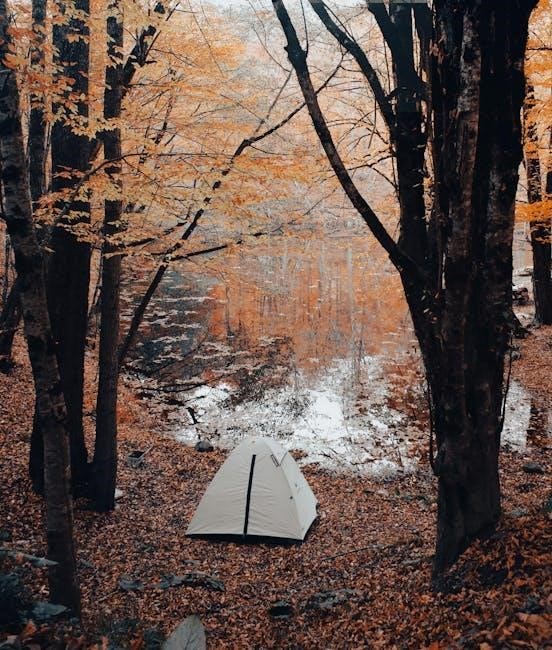
Rain Protection and Condensation
A full rainfly extending to the ground is vital for complete weather protection, preventing both direct wetting and internal condensation buildup.
Step 19: Importance of a Full Rainfly
The rainfly is arguably the most critical component for effective weather protection with your canopy tent. Unlike partial rainflies, a full rainfly extends all the way to the ground, creating a complete barrier against rain and moisture. This design prevents water from splashing onto the tent walls during rainfall, keeping the interior dry even during heavy downpours.
Furthermore, a full rainfly minimizes the risk of condensation buildup inside the tent. Condensation occurs when warm, moist air comes into contact with the cooler tent walls. By providing an extra layer of insulation and ventilation, a full rainfly helps regulate temperature and reduce moisture accumulation. Investing in a canopy tent with a comprehensive rainfly is essential for a comfortable and dry camping experience, especially in unpredictable weather conditions.
Step 20: Managing Condensation Inside the Tent
Condensation within a canopy tent is a common issue, stemming from warm breath and moisture released during sleep. While a full rainfly helps, it doesn’t eliminate condensation entirely. Proper ventilation is key; open vents or slightly unzipping doors allows moist air to escape, reducing buildup.
Avoid touching the tent walls, as this transfers moisture to your gear or clothing. Using a groundsheet helps prevent moisture from rising from the earth. Consider a breathable tent material to facilitate airflow. Regularly wiping down interior surfaces with a cloth can also help manage condensation, ensuring a more comfortable and dry camping experience, even in humid conditions.

Choosing the Right Canopy Tent
Prioritize a tent with a full rainfly for complete weather protection, and consider weight if backpacking; avoid expensive, heavy options initially.
Step 21: Considering Tent Weight and Portability
When selecting a canopy tent, carefully evaluate its weight, especially if you anticipate frequent transport or use in remote locations. A heavier tent, while potentially more durable, can become a significant burden during setup and takedown, and challenging to move.
For casual backyard events or car camping, weight may be less critical. However, if you envision transporting the tent long distances or carrying it over uneven terrain, a lighter model is highly recommended.
Consider the packed size as well; a compact tent is easier to store and transport. Avoid investing heavily in a costly, heavy tent if you’re exploring ultralight backpacking options, as your needs may quickly evolve. Starting with a lighter, more versatile shelter is often a wiser investment.
Step 22: Budget Considerations (Under $100 vs. Higher-Priced Options)
Establishing a budget is crucial when purchasing a canopy tent. While options under $100 exist, they often compromise on quality and durability; These tents may suffice for infrequent, casual use, but expect a shorter lifespan and potentially compromised weather resistance.
Investing around $100 or more unlocks significantly better construction, materials, and features like a full rainfly – essential for staying dry. Retailers like REI frequently offer sales and clearance items within this price range.
Avoid overspending on a heavy, expensive tent if you’re unsure about long-term needs. Prioritize a well-constructed, reliable shelter over flashy “instant-up” gimmicks, which often sacrifice quality. A modest investment now can save money and discomfort later.
Finding Replacement Parts and Manuals
Locate missing components or instructions by checking the manufacturer’s website using your tent’s model number for downloadable manuals and parts lists.
Step 23: Locating Downloadable User Manuals Online
Often, the printed user manual gets misplaced or lost during storage or transport. Fortunately, most canopy tent manufacturers provide downloadable versions of their manuals directly on their websites. Begin by identifying the precise model number of your canopy tent – this is usually found on a label affixed to the canopy top or the frame itself.
With the model number in hand, navigate to the manufacturer’s official website. Utilize the site’s search function, typically located in the header or footer, and enter the model number. Look for a “Support,” “Downloads,” or “Manuals” section. Many companies organize their resources this way.
Alternatively, a broader web search using the manufacturer’s name and the model number, coupled with the term “manual” or “user guide,” can yield direct links to the PDF document. Ensure the website source is legitimate to avoid downloading potentially harmful files.