As manuals become rarer, mastering techniques like auto start remains valuable, offering a unique connection to driving and preserving a diminishing skillset for enthusiasts․
Despite automatics dominating the market, understanding manual control—and specifically, starting smoothly on inclines—enhances driver capability and confidence in diverse situations․
This guide explores the art of auto start, covering traditional methods, modern assistance systems, and troubleshooting, ensuring a smooth and controlled driving experience․
The Declining Popularity of Manual Transmissions
The automotive landscape has dramatically shifted over the past three decades, witnessing a significant decline in the sales of vehicles equipped with manual transmissions․ CarMax data illustrates this trend, showing a steady preference for automatic gearboxes among buyers, particularly in North America․
Automatics have evolved from a premium option to the default choice, offering convenience and ease of use that appeal to a broader audience․ This shift isn’t necessarily about performance; rather, it reflects changing driver expectations and a desire for simplified operation․
While manuals are often lauded for driver engagement and control, their dwindling presence in the market means fewer drivers are learning—or maintaining—the skills associated with them․ Despite this, a dedicated niche of enthusiasts continues to champion the manual transmission, keeping the tradition alive in select models․
Even with their decreasing numbers, the core skills like auto start remain relevant, offering a deeper understanding of vehicle dynamics and control for those who choose to drive them․
Why Learn Auto Start in a Manual Car?
In a world increasingly dominated by automatic transmissions, the question arises: why bother learning auto start in a manual car? The answer lies in the enhanced driver skill and confidence it cultivates․ Mastering this technique isn’t just about avoiding rolling backwards on hills; it’s about a deeper connection with the vehicle․
Learning auto start fosters a greater understanding of clutch control, throttle modulation, and overall vehicle dynamics․ This knowledge translates to improved driving in various scenarios, not just on inclines․ It’s a skill that can prove invaluable in unexpected situations or when driving rental cars abroad․
Furthermore, it preserves a “dying skill,” maintaining a link to the roots of driving enjoyment․ For those who appreciate the engagement of a manual transmission, auto start is a fundamental technique that elevates the driving experience․
Ultimately, it’s about being a more capable and confident driver, regardless of the transmission type you typically operate․
Understanding the Fundamentals
Grasping the core principles of manual transmissions and hill starts is crucial before attempting auto start, ensuring a safe and controlled driving experience․
This section details traditional starting methods, the challenges presented by inclines, and the concept of hill hold control for better comprehension․
What is Auto Start (Hill Hold Control)?
Auto start, often referred to as hill hold control, is a driving technique enabling a smooth launch on inclines with a manual transmission vehicle․ It prevents the car from rolling backwards when transitioning from the brake to the accelerator․
Traditionally, this required skillful coordination of the clutch, throttle, and handbrake․ However, modern vehicles increasingly feature automated systems – Hill Start Assist Control (HSAC) – that temporarily hold the brakes for you․
Essentially, auto start aims to eliminate the momentary rollback that can occur when a driver’s reaction time isn’t fast enough․ Mastering this technique builds driver confidence and provides a more controlled and seamless driving experience, especially in hilly terrains․
While HSAC simplifies the process, understanding the manual method remains valuable, offering greater control and adaptability in various driving scenarios․
How Traditional Manual Starts Work
In a traditional manual start, the driver balances several actions simultaneously․ First, the car is held stationary using the brake pedal; Then, the driver engages the clutch fully and selects first gear․
The key is finding the ‘bite point’ – the point where the clutch begins to engage the engine․ As the brake is released, the driver simultaneously applies throttle and gradually releases the clutch․
This delicate coordination prevents stalling and avoids rolling backwards․ Insufficient throttle or releasing the clutch too quickly results in stalling, while releasing the brake too quickly causes rollback․
Mastering this process requires practice and a feel for the vehicle’s responsiveness․ It’s a fundamental skill for manual drivers, demanding precise timing and coordination between foot and hand movements․
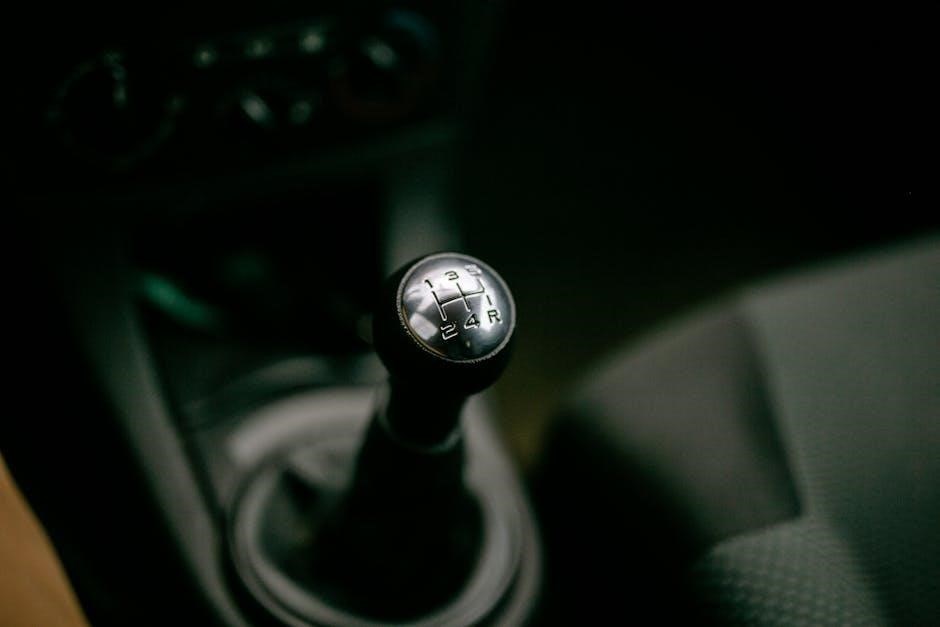
The Challenges of Starting on a Hill
Starting a manual car on an incline significantly amplifies the difficulty of a traditional start․ Gravity introduces a constant force attempting to roll the vehicle backwards, demanding quicker reflexes and more precise control․
The window of opportunity to coordinate clutch release, throttle application, and brake disengagement narrows considerably․ Hesitation can lead to a noticeable rollback, potentially causing a collision or creating a dangerous situation․
Maintaining control requires preventing the car from sliding backwards while simultaneously initiating forward motion․ This demands a greater degree of skill and a more intuitive understanding of the vehicle’s dynamics․
The steeper the hill, the more challenging the start becomes, requiring a more aggressive throttle response and a faster, smoother clutch release to overcome gravity’s pull․
Techniques for Auto Start
Several methods exist for mastering auto start, ranging from the traditional handbrake technique to refined footwork, including the heel-toe method, for seamless hill starts․
Effective coordination of the clutch, throttle, and handbrake is crucial for preventing rollback and achieving a smooth, controlled launch on any incline․
The Handbrake Method
The handbrake method is a foundational technique for auto starting a manual car, particularly useful for beginners․ Begin by applying the handbrake firmly, ensuring the vehicle is securely held on the incline․ Shift into first gear and slowly depress the clutch pedal fully․
Gently increase the throttle until the engine reaches a slightly elevated RPM – enough to prevent stalling, but not so much that the car lurches forward․ Now, carefully begin to release the handbrake while simultaneously easing your foot off the clutch․
The key is coordination: a smooth, controlled release of the handbrake matched with a gradual clutch engagement․ If done correctly, the car will hold its position momentarily before smoothly accelerating forward․ Practice is essential to find the ‘bite point’ of the clutch and achieve a seamless transition․ This method provides a secure and forgiving way to learn hill starts․
The footwork method, often a precursor to the advanced heel-toe technique, demands greater coordination but offers a smoother, faster auto start․ It involves using the ball of your foot on the brake pedal while simultaneously blipping the throttle with the side of your foot․
Keep the brake applied to hold the car on the hill, then depress the clutch fully and shift into first gear․ Begin to roll the side of your foot onto the accelerator, increasing the RPMs․
As you feel the engine respond, smoothly transition your foot from the brake to the accelerator, releasing the brake pedal and modulating the clutch simultaneously․ This requires practice to avoid rolling backwards․ This technique allows for quicker acceleration and a more refined feel, but mastering it takes time and precision․ It’s a skill that builds confidence and control․
Coordinating Clutch, Throttle, and Handbrake
Successful auto starts hinge on seamless coordination between the clutch, throttle, and handbrake․ Begin with the handbrake firmly engaged, preventing rollback․ Depress the clutch fully and select first gear, then gently apply throttle to raise engine RPMs slightly above idle․
The key is finding the ‘bite point’ of the clutch – the point where the engine begins to engage the wheels․ As you reach this point, slowly release the handbrake while simultaneously increasing throttle and gradually releasing the clutch․
Smoothness is paramount; jerky movements lead to stalling or rolling back; Practice finding the balance between these three controls, aiming for a fluid transition from holding the car to accelerating forward․ Mastering this coordination builds muscle memory and confidence on inclines․
Modern Assistance Systems
Contemporary vehicles increasingly feature systems like Hill Start Assist Control (HSAC) and Electronic Stability Control (ESC), simplifying hill starts and enhancing safety․
Even some electric vehicles simulate manual transmissions, offering drivers a familiar feel alongside advanced driver-assistance technologies for improved control and convenience․
Hill Start Assist Control (HSAC) ౼ How it Works
Hill Start Assist Control (HSAC) is a sophisticated system designed to alleviate the stress of starting on an incline․ When activated, typically by detecting a slope and the driver releasing the brake pedal, HSAC momentarily holds the braking pressure․
This brief hold—usually around 1-2 seconds—provides the driver with ample time to move their foot from the brake to the accelerator without the vehicle rolling backwards․ The system achieves this by utilizing the car’s anti-lock braking system (ABS) components․
HSAC doesn’t control the throttle; it simply prevents rollback, allowing for a smoother, more controlled launch․ Once the engine begins to drive the wheels forward, HSAC automatically disengages, and normal driving resumes․ It’s a valuable aid for both novice and experienced manual drivers, particularly in stop-and-go traffic on hills․
Effectively, HSAC bridges the gap between releasing the brake and applying the throttle, making hill starts significantly easier and reducing the risk of stalling or rolling back․
Electronic Stability Control (ESC) and its Role
While not specifically designed for auto start, Electronic Stability Control (ESC) plays a crucial supporting role in maintaining vehicle control during challenging hill starts․ ESC constantly monitors the car’s direction and compares it to the driver’s intended steering input․
If ESC detects a loss of traction or a tendency to skid – which can easily occur when coordinating clutch, throttle, and brakes on a slope – it selectively applies braking force to individual wheels․
This corrective action helps to steer the vehicle back on its intended path, preventing potential loss of control during a less-than-perfect auto start attempt․ ESC works seamlessly in the background, enhancing overall stability․
It’s particularly beneficial in slippery conditions or when a driver misjudges the clutch-throttle balance, providing an extra layer of safety and confidence during hill starts, even without HSAC․
Simulated Manual Transmissions in Electric Vehicles
Interestingly, even with the rise of electric vehicles (EVs), the appeal of a manual driving experience hasn’t entirely disappeared․ Manufacturers like Hyundai and Kia are incorporating simulated manual transmissions into their EVs․
These systems don’t have traditional gears, but they use software and regenerative braking to mimic the feel of shifting․ This allows drivers to experience the engagement of a manual transmission, including the need for clutch-like control․
While not a true auto start in the conventional sense, these simulated systems often include a hill-hold function, preventing rollback on inclines․ This feature replicates the assistance provided by HSAC in traditional manual cars․
It demonstrates a continued desire for driver involvement and control, even in the age of fully electric powertrains, bridging the gap for enthusiasts missing the manual experience․
Troubleshooting Common Issues
Stalling or rolling back are frequent hurdles during auto starts; mastering clutch control and throttle response is key to overcoming these challenges effectively․
Achieving smoothness requires practice and coordination, transforming initial struggles into confident, controlled hill starts for a refined driving experience․
Stalling on Hills
Stalling during an auto start, particularly on an incline, is a common frustration for manual drivers, often stemming from insufficient throttle input or releasing the clutch too quickly․ When the engine lacks the necessary power to overcome gravity and the initial vehicle weight, it abruptly shuts down․
To prevent stalling, focus on maintaining a slightly higher engine RPM than you would on level ground, using gentle but firm throttle application․ Simultaneously, carefully modulate the clutch release, finding the ‘bite point’ where the engine and transmission begin to connect․
Hesitation or jerky movements can exacerbate the issue․ Practice smooth, coordinated movements between the clutch, throttle, and, if used, the handbrake․ Remember, a quick reaction to add more throttle if the engine begins to bog down can often save the start․ Consistent practice builds muscle memory and improves responsiveness․
Rolling Backwards
Rolling backwards during an auto start on a hill is a significant safety concern and often results from inadequate holding force – either from the handbrake or precise footwork․ It occurs when the force of gravity exceeds the engine’s initial torque and the braking force applied․
Ensure the handbrake is firmly engaged before attempting the start․ When releasing the clutch, do so slowly and deliberately, feeling for the engine’s ‘bite point’․ Simultaneously, gradually increase throttle input to counteract the backward pull․
If relying solely on footwork, maintain firm pressure on the brake pedal while finding the bite point, then swiftly transition to the throttle․ Modern vehicles with Hill Start Assist mitigate this risk, but understanding the mechanics remains crucial for driving older cars or in situations where HSAC isn’t available․
Smoothness and Control
Achieving a smooth auto start isn’t merely about preventing rollback; it’s about a seamless transition from stationary to forward motion․ Jerky starts indicate a lack of coordination between clutch engagement, throttle application, and brake release (or handbrake disengagement)․
Practice finding the ‘bite point’ of the clutch – the point where the engine begins to engage the wheels – and holding it consistently․ Gentle throttle input is key; avoid sudden acceleration․ The goal is a fluid, controlled movement, not a rapid launch․
Refine your technique through repetition․ Focus on minimizing the time spent in the ‘friction zone’ to reduce wear on the clutch․ Mastering smoothness enhances the driving experience and demonstrates a refined level of vehicle control, preserving a valuable skill․
Benefits of Mastering Auto Start
Enhanced confidence, a more engaging drive, and preservation of a dwindling skill set are key rewards for mastering the art of auto start in manual cars․
Increased Driver Confidence

Successfully executing an auto start builds significant driver confidence, particularly in challenging scenarios like hilly terrain or congested traffic․ The initial anxiety associated with preventing rollback quickly diminishes with practice, replaced by a sense of control and capability․
This newfound assurance extends beyond hill starts, positively influencing overall driving composure․ Knowing you can confidently manage a manual transmission in demanding situations fosters a more relaxed and focused driving experience․
Furthermore, mastering this skill prepares drivers for various unexpected inclines and potentially hazardous road conditions, enhancing their ability to react effectively and safely․ It’s about more than just avoiding rollback; it’s about cultivating a proactive and skilled driving mindset․
Ultimately, the ability to auto start empowers drivers, transforming a potentially stressful maneuver into a demonstration of vehicle control and driving proficiency․
Improved Driving Experience
Mastering the auto start technique elevates the driving experience beyond simply reaching a destination․ It fosters a deeper connection with the vehicle, demanding active engagement and precise coordination between clutch, throttle, and handbrake – or footwork․
This heightened involvement transforms driving from a passive activity into a dynamic and rewarding skill․ The smooth, controlled start on an incline provides a satisfying sense of accomplishment, unlike the often-automated ease of an automatic transmission․
For enthusiasts, the ability to confidently execute an auto start adds another layer of enjoyment to the driving experience, reinforcing the appeal of manual transmissions despite their declining popularity․ It’s a tactile, engaging skill that enhances the overall sense of control․
Ultimately, auto start isn’t just about avoiding rollback; it’s about embracing the art of driving and maximizing the potential of a manual transmission vehicle․
Preserving a Dying Skill
As automatic transmissions become the dominant choice, the art of driving a manual car – and skills like auto start – are increasingly at risk of being lost․ Fewer drivers are learning this fundamental aspect of vehicle control, contributing to a decline in mechanical understanding․
Actively practicing and teaching auto start helps preserve this valuable skillset for future generations․ It’s a tangible link to a time when drivers had a more direct and involved relationship with their vehicles, fostering a deeper appreciation for automotive engineering․
By maintaining proficiency in manual driving techniques, enthusiasts contribute to keeping the spirit of driving alive, resisting the complete homogenization of the automotive experience․ It’s a way to honor the history of the automobile․
This preservation isn’t merely nostalgic; it’s about retaining a crucial understanding of vehicle dynamics and control, even as technology advances․