
Understanding the “Oil Pressure Engine Off” Warning in VW Vehicles
Volkswagen owners’ manuals often detail the “Oil Pressure Engine Off!” warning, advising immediate shutdown to prevent severe engine damage; consult your specific VW’s guide.
The “Oil Pressure Engine Off!” warning light in your Volkswagen is a critical indicator demanding immediate attention. As highlighted in many VW owner’s manuals, this isn’t a suggestion, but a directive to cease operation. Ignoring it risks catastrophic engine failure. The light illuminates when the engine isn’t receiving adequate oil pressure, potentially stemming from various issues. Your manual will specify the light’s appearance – often a red oil can symbol – and emphasize the necessity of consulting a qualified mechanic. Understanding this warning, and referencing your VW’s specific manual, is paramount for preventative maintenance and avoiding costly repairs.
What Does “Oil Pressure Engine Off” Mean?
The “Oil Pressure Engine Off!” message, detailed in your VW’s owner’s manual, signifies a critical lubrication failure. It means the engine isn’t receiving sufficient oil to protect vital components from wear and tear. This isn’t simply low oil level; it indicates a problem with the oil pressure itself. Continuing to drive with this warning illuminated can cause severe, irreversible engine damage. The manual stresses immediate shutdown and professional diagnosis. Essentially, the engine is signaling it cannot safely continue operation without risking catastrophic internal failure due to inadequate lubrication.

Common Causes of the Warning
VW owner’s manuals highlight low oil, a faulty sensor, a worn pump, or a clogged pickup as potential causes for the “Oil Pressure Engine Off!” warning.
Low Oil Level – The Primary Suspect
Volkswagen owner’s manuals consistently emphasize checking the oil level as the first step when the “Oil Pressure Engine Off!” warning illuminates. A significant drop in oil, due to leaks or consumption, directly impacts oil pressure. Regularly referencing your manual for the correct oil type and checking the dipstick ensures adequate lubrication. Ignoring low oil can lead to catastrophic engine failure, as the system struggles to maintain pressure. The manual will detail the proper procedure for accurate oil level assessment, including vehicle positioning and dipstick reading techniques.
Faulty Oil Pressure Sensor
A malfunctioning oil pressure sensor can trigger a false “Oil Pressure Engine Off!” warning, even with sufficient oil. Your Volkswagen’s owner’s manual doesn’t typically detail sensor diagnostics, but it will highlight the warning light’s significance. A failing sensor may provide inaccurate readings to the vehicle’s computer. Professional diagnosis using a scan tool is crucial to confirm sensor functionality. While the manual stresses immediate shutdown for genuine low-pressure events, a faulty sensor requires repair, not necessarily engine stoppage, preventing unnecessary anxiety and potential inconvenience.
Worn Oil Pump
A deteriorating oil pump struggles to maintain adequate oil pressure throughout the Volkswagen engine, potentially causing the “Oil Pressure Engine Off!” warning. The owner’s manual emphasizes the critical nature of oil pressure for engine longevity. As the pump wears, its ability to circulate oil diminishes, especially during cold starts or acceleration. Ignoring this warning, as the manual cautions against, can lead to catastrophic engine failure. Diagnosis requires professional assessment of oil pressure output. Replacement of a worn pump is essential to restore proper lubrication and prevent further damage, safeguarding your VW.
Clogged Oil Pickup Tube
A clogged oil pickup tube restricts oil flow to the pump, triggering the “Oil Pressure Engine Off!” warning in your Volkswagen. The owner’s manual stresses the importance of a free-flowing oil system. Sludge buildup, often from infrequent oil changes, is a primary culprit. This blockage reduces the volume of oil reaching critical engine components. Addressing this issue requires removing the oil pan to inspect and clean the pickup tube. Ignoring the warning, as the manual advises against, can cause severe engine damage due to oil starvation. Regular maintenance, as outlined in your VW’s guide, is crucial.
Internal Engine Damage – A Serious Concern
The “Oil Pressure Engine Off!” warning, detailed in your Volkswagen’s owner’s manual, signifies a potentially catastrophic situation. Prolonged operation with low oil pressure leads to severe internal engine damage. Worn bearings, camshaft damage, and even piston failure can occur rapidly. The manual emphasizes immediate shutdown to mitigate these risks. Continued driving accelerates wear and can result in complete engine seizure. Addressing the root cause – as the VW guide instructs – is paramount. Ignoring the warning isn’t simply risky; it’s a path to costly repairs or engine replacement.

VW Engine Types and Oil System Vulnerabilities
Volkswagen owner’s manuals highlight varying oil system sensitivities across engine types; understanding your specific VW’s design is crucial for addressing the “Oil Pressure Engine Off!” warning.
VW Type 1 (Air-Cooled) Engine Oil Considerations
Volkswagen Type 1 (Beetle, Bus, etc.) engines, being air-cooled, demand specific oil considerations detailed in the owner’s manual. Unlike water-cooled engines, oil plays a vital role in cooling, necessitating higher oil levels and frequent checks. The “Oil Pressure Engine Off!” warning, while less common, signifies critical lubrication failure.
Manuals emphasize using the correct viscosity oil for ambient temperatures, as cold oil thickens, hindering circulation. Low oil levels are a primary suspect, but also inspect the oil pump screen for blockage. Ignoring this warning can lead to catastrophic engine damage due to overheating and component seizure, as the oil system is integral to thermal management.
EA888 Engine Family (Gen 3) – Common Issues
The VW EA888 Gen 3 engine, found in many models, presents specific challenges. The owner’s manual addresses the “Oil Pressure Engine Off!” warning, often linked to PCV valve failures causing increased crankcase pressure. This pressure can compromise oil circulation and sensor readings.
Oil sludge buildup, exacerbated by infrequent oil changes, is another common culprit. The manual stresses correct oil specification; using incorrect oil can accelerate sludge formation. A failing oil pressure sensor can also trigger a false alarm, but should not be assumed without further diagnostics; Always consult the manual for recommended maintenance intervals.
2.0L TSI Engine (MK6 Jetta) – PCV Valve Connection
In the MK6 Jetta’s 2.0L TSI engine, a faulty PCV valve frequently triggers the “Oil Pressure Engine Off!” warning. The owner’s manual doesn’t explicitly detail this connection, but online forums and repair guides highlight it. A clogged or malfunctioning PCV valve increases crankcase pressure, potentially affecting oil pressure readings and lubrication.
Oil often accumulates around the MAP sensor due to this pressure, as reported by Jetta owners. Inspecting the PCV valve and its associated hoses is crucial. The manual emphasizes regular maintenance, but doesn’t specifically address PCV valve inspection frequency; proactive checks are recommended.
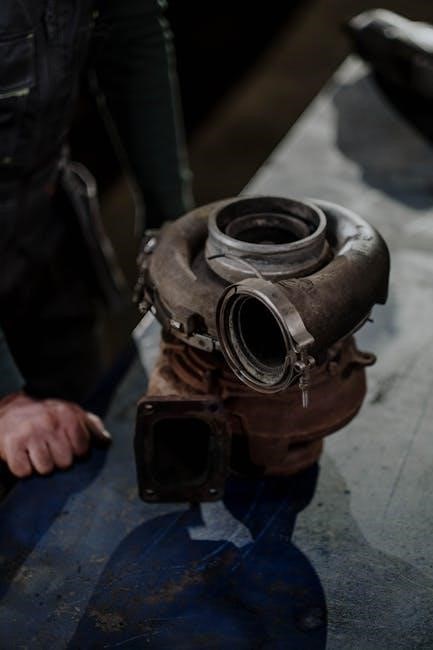
Checking Oil Pressure and Level
Volkswagen owner’s manuals detail oil level checks using the dipstick; low levels are a primary cause of the “Oil Pressure Engine Off!” warning, requiring immediate attention.
Locating the Oil Dipstick in Your VW
Volkswagen owner’s manuals provide specific diagrams illustrating the oil dipstick’s location, varying by model – typically within the engine bay, near the engine block. Generally, look for a brightly colored handle, often yellow or orange, clearly marked for oil level checks. The manual emphasizes consulting the vehicle-specific guide for precise placement.
Incorrectly identifying the dipstick can lead to misdiagnosis when addressing an “Oil Pressure Engine Off!” warning. Always refer to your VW’s manual to ensure you’re checking the correct fluid level. Proper identification is crucial for accurate maintenance and preventing potential engine damage.
Proper Oil Level Checking Procedure
Your Volkswagen owner’s manual details the correct procedure: park on level ground, turn off the engine, and wait several minutes for oil to settle. Remove the dipstick, wipe it clean, reinsert fully, and remove again. The oil level should fall between the “min” and “max” marks.
Low oil, triggering an “Oil Pressure Engine Off!” warning, demands immediate attention. The manual stresses avoiding overfilling, as this can also cause issues. Regularly checking, as outlined in your VW’s manual, is vital for preventative maintenance and engine health.
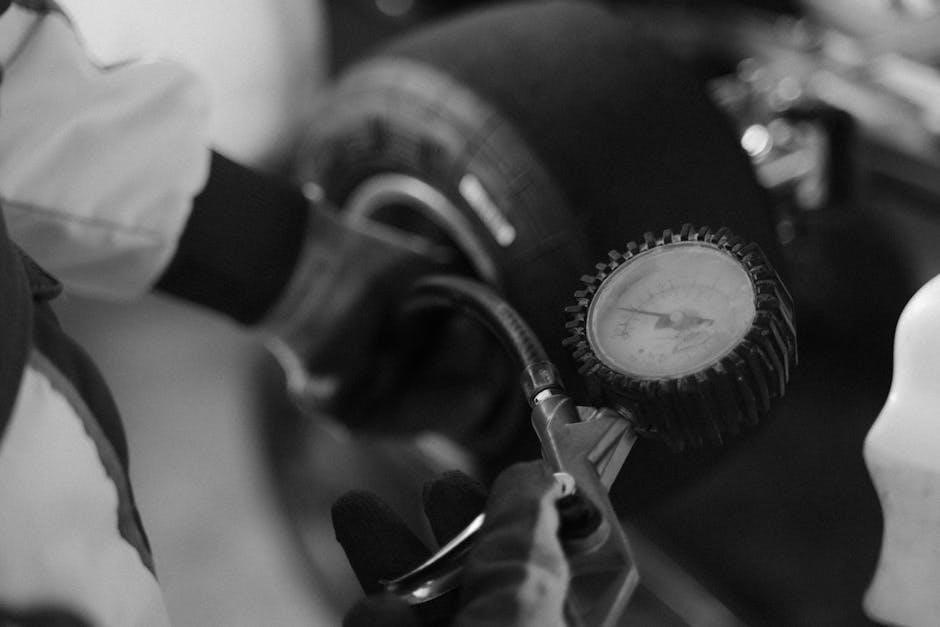
Using an Oil Pressure Gauge (Advanced)
While the “Oil Pressure Engine Off!” warning illuminates on your VW’s dashboard, a mechanical oil pressure gauge provides a more precise reading. Installation requires tapping into the engine’s oil system – consult a qualified mechanic if unfamiliar.
Your owner’s manual won’t detail gauge installation, but it will specify the correct oil pressure range for your engine. Consistent low readings, even without the warning light, indicate a potential problem. This advanced diagnostic step complements the manual’s guidance and aids in pinpointing the root cause.
Troubleshooting Steps – DIY Approach
Begin by referencing your VW’s owner’s manual for warning light specifics; then, verify oil level, inspect the oil pressure sensor, and check PCV valve connections.
Checking the Oil Level First
Volkswagen’s owner’s manual emphasizes checking the oil level as the initial step when the “Oil Pressure Engine Off!” warning illuminates. Locate the oil dipstick – its position varies by model, but the manual provides a clear diagram. Ensure the engine is off and cool for an accurate reading. Pull the dipstick, wipe it clean, reinsert it fully, and then remove it again to observe the oil level.
The dipstick has markings indicating minimum and maximum levels. Oil should reside between these marks. Low oil is the most common cause, and topping up may resolve the issue. However, consistently low oil suggests a leak requiring further investigation, as detailed in your VW’s manual.
Inspecting the Oil Pressure Sensor
Your Volkswagen’s owner’s manual doesn’t typically detail sensor inspection, but a faulty oil pressure sensor can trigger a false “Oil Pressure Engine Off!” warning. Locate the sensor – its position varies by engine type; a repair manual is helpful. Visually inspect the sensor and its wiring for damage, corrosion, or loose connections.
Disconnect the electrical connector and check for oil contamination. While a multimeter test can confirm functionality, this requires technical expertise. Replacing the sensor is relatively inexpensive and can resolve the issue if it’s the culprit, but always consult a VW-specific repair guide.
Examining the PCV Valve and Hoses
The owner’s manual won’t directly link a PCV valve issue to the “Oil Pressure Engine Off!” warning, but a clogged PCV system can create excessive crankcase pressure; This impacts oil flow and potentially triggers the sensor. Inspect the PCV valve and its connecting hoses for cracks, leaks, or blockages, particularly in 2;0L TSI engines (MK6 Jetta);
A faulty PCV valve can cause oil to be drawn into the intake manifold, contaminating the MAP sensor (as reported by some Jetta owners) and indirectly affecting oil pressure readings. Replacement is straightforward and inexpensive.

Owners Manual Resources
Volkswagen owner’s manuals contain vital information regarding the “Oil Pressure Engine Off!” warning, alongside radio code retrieval procedures for your specific VW model.
Locating the Oil Pressure Warning Section
Volkswagen owner’s manuals dedicate a section to instrument cluster warnings, and the “Oil Pressure Engine Off!” message will be prominently featured within this area. Typically, this section is found in the “Instruments and Controls” or “Warning and Indicator Lights” chapter.
Look for a symbol resembling an oil can; this visually represents the oil pressure warning. The manual will explain the meaning of the light, recommended actions (like immediately stopping the engine), and potential causes. Some manuals may also include troubleshooting steps or direct you to a qualified VW mechanic for further diagnosis. Referencing your specific model year’s manual is crucial, as layouts and details can vary.
Radio Code Retrieval (Related Owner’s Manual Info)
While seemingly unrelated to the “Oil Pressure Engine Off!” warning, Volkswagen owner’s manuals often contain information regarding radio security codes. If your radio displays “SAFE” after a power interruption (like disconnecting the battery during troubleshooting), you’ll need this code.
The manual may list the code directly, or provide instructions on how to retrieve it. This often involves a serial number lookup process, potentially requiring contacting a VW dealership with your vehicle’s VIN. Keep your owner’s manual readily accessible, as it serves as a valuable resource for various vehicle functions beyond critical warning lights.
Advanced Diagnostics & Repairs
Autel IM508/IM608 tools aid in complex VW diagnostics, while understanding cooling system impacts on oil temperature is crucial for accurate assessment.
Using Diagnostic Tools (Autel IM508/IM608)
Autel’s IM508 and IM608 scan tools offer advanced diagnostic capabilities for Volkswagen vehicles experiencing the “Oil Pressure Engine Off!” warning. The V5.10 update, released in August 2021, significantly enhanced VW/Audi IMMO functionality, including MQB key programming. These tools can access engine control module (ECM) data, revealing live oil pressure readings, sensor values, and potential fault codes related to the oil system.
Beyond basic code retrieval, these scanners can perform actuation tests on the oil pump and pressure sensor, helping pinpoint component failures. They also provide guided diagnostics, streamlining the troubleshooting process. Utilizing these tools alongside the owner’s manual information provides a comprehensive approach to diagnosing the root cause of the warning.
Cooling System Impact on Oil Temperature
A malfunctioning Volkswagen cooling system directly impacts oil temperature and, consequently, oil pressure. Overheating thickens the oil, reducing its flow rate and potentially triggering the “Oil Pressure Engine Off!” warning. Conversely, a failing thermostat can lead to excessively low oil temperatures, also affecting pressure readings.
Referencing your owner’s manual for proper coolant levels and specifications (like G12 variations – blue, red, pink, purple, orange) is crucial. A compromised cooling system, as discussed in dedicated threads, can cause engine damage, exacerbating oil pressure issues. Maintaining a healthy cooling system is preventative maintenance linked to oil system health.
Emissions System Deletion and Potential Oil Pressure Effects
Deleting emissions components in your Volkswagen, while sometimes considered, can indirectly affect oil pressure. Alterations to the engine’s operation, particularly those impacting crankcase pressure, may influence oil flow and sensor readings, potentially triggering the “Oil Pressure Engine Off!” warning.
Modifications should be carefully considered, as they aren’t covered by VW’s owner’s manual warranty. Discussions online detail potential issues; proper research is vital. Changes to the PCV system, often linked to oil in the MAP sensor, are particularly relevant. Always prioritize maintaining a healthy oil system.
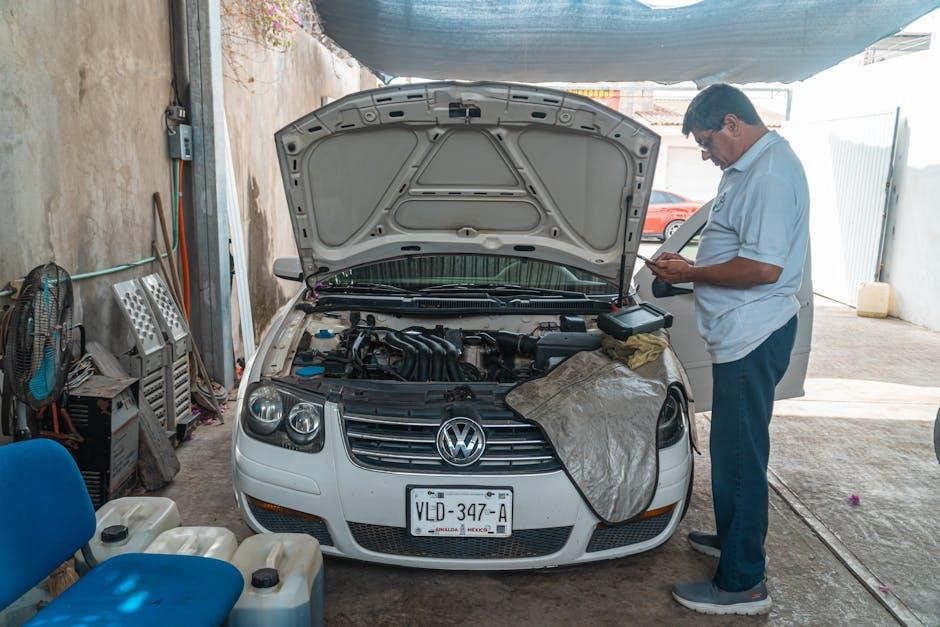
Preventative Maintenance
VW’s owner’s manual stresses regular oil changes with the correct specification (like G12 coolant) to maintain oil pressure and avoid the “Engine Off!” warning.
Regular Oil Changes – The Cornerstone
Volkswagen’s owner’s manual consistently emphasizes the critical role of regular oil changes in preventing the dreaded “Oil Pressure Engine Off!” warning. Fresh oil maintains proper lubrication, reducing wear on vital engine components like the oil pump. Following the VW-recommended oil change intervals, detailed within your vehicle’s specific manual, is paramount.
Using the correct oil specification, as outlined in the manual, is equally important; incorrect oil viscosity can compromise pressure. Neglecting oil changes allows sludge buildup, potentially clogging the oil pickup tube and triggering the warning. Proactive maintenance, guided by your VW’s manual, is the best defense.
Using the Correct Oil Specification
Your Volkswagen’s owner’s manual is the definitive guide to the correct oil specification for your engine. Using the wrong viscosity or oil type can significantly impact oil pressure, potentially triggering the “Oil Pressure Engine Off!” warning. VW engines are designed to operate optimally with specific oil formulations, often meeting standards like VW 502 00 or 504 00.
The manual details these requirements; deviating from them can lead to inadequate lubrication, increased wear, and ultimately, engine damage. Always cross-reference the oil label with your VW’s manual to ensure compatibility and maintain optimal oil pressure, preventing the alarming warning light.
Checking Coolant Condition (G12 Variations)
While seemingly unrelated, coolant condition impacts oil temperature regulation, potentially influencing oil pressure. Your Volkswagen’s owner’s manual details VW’s coolant specifications, historically involving G12 variations (blue, red, pink, purple, orange). Incorrect coolant mixtures or degraded coolant reduce cooling efficiency, leading to higher oil temperatures.
Overheated oil thins, potentially lowering oil pressure and triggering the “Oil Pressure Engine Off!” warning. Regularly inspect coolant color and concentration as outlined in your manual. Mixing incompatible G12 types can cause corrosion and reduced cooling, exacerbating oil temperature issues and increasing engine stress.
When to Seek Professional Help
Volkswagen’s owner’s manual stresses immediate professional attention if the “Oil Pressure Engine Off!” warning persists, preventing potential catastrophic engine damage from continued operation.
Ignoring the Warning – Potential Engine Damage
Volkswagen’s owner’s manual emphatically warns against dismissing the “Oil Pressure Engine Off!” indicator; continued driving can inflict severe, costly damage. Insufficient lubrication leads to accelerated wear on critical engine components like bearings, camshafts, and pistons. This friction generates excessive heat, potentially causing seizing or complete engine failure. Ignoring the warning risks a repair bill far exceeding preventative maintenance costs. The manual stresses immediate shutdown and professional diagnosis to mitigate these risks, safeguarding your VW’s longevity and performance. Delaying action invites catastrophic consequences, rendering the engine irreparable.
Symptoms Requiring Immediate Attention
The Volkswagen owner’s manual highlights several accompanying symptoms demanding immediate attention alongside the “Oil Pressure Engine Off!” warning. These include unusual engine noises – knocking or rattling – signifying metal-on-metal contact due to inadequate lubrication. Diminished engine power or stalling also indicate a critical issue. Smoke emanating from the engine compartment, particularly if it smells of burning oil, is a severe warning sign. If the oil pressure gauge (if equipped) reads zero, or fluctuates wildly, stop driving immediately. Ignoring these signs, as the manual cautions, will exacerbate engine damage;
Finding a Qualified VW Mechanic
Your Volkswagen owner’s manual emphasizes the importance of professional diagnosis for the “Oil Pressure Engine Off!” warning. Seek a mechanic specializing in VW vehicles; they possess the diagnostic tools – like Autel IM508/IM608 – and expertise to accurately pinpoint the cause. General mechanics may lack the specific knowledge of VW’s oil systems, including EA888 engine vulnerabilities. Online VW forums can provide recommendations for reputable shops in your area. Verify the mechanic’s certifications and read customer reviews before entrusting them with your vehicle’s repair.

Resetting the Warning Light (If Applicable)
Some VW models allow a DRL turn-off procedure – key off, signal left, activate high beams – which may coincidentally reset the “Oil Pressure Engine Off!” light.
DRL Turn Off Procedure (Potential Reset Method)
Volkswagen owners have discovered a curious quirk: the Daytime Running Light (DRL) disable procedure sometimes resets the “Oil Pressure Engine Off!” warning. This isn’t a guaranteed fix, and shouldn’t be relied upon as such, but it’s a simple attempt. With the ignition off, fully depress the signal stalk to the left, and simultaneously pull the high beam stalk. Hold both positions until the instrument cluster indicates the DRLs are disabled.
This method, documented by VW Golf owners, isn’t officially linked to oil pressure reset, but anecdotal evidence suggests it can clear the warning in some cases. Always consult your owner’s manual for specific instructions and remember a persistent warning demands professional attention.
Understanding When a Reset is Not Possible
Attempting to reset the “Oil Pressure Engine Off!” warning without addressing the underlying issue is dangerous. If the warning illuminates due to genuinely low oil pressure – caused by a failing pump, clogged pickup, or internal engine damage – a reset will only temporarily mask a critical problem. Your VW’s owner’s manual emphasizes immediate shutdown in such cases.
Furthermore, if the warning is accompanied by other symptoms like engine knocking or unusual noises, a reset is absolutely contraindicated. Relying on temporary fixes can lead to catastrophic engine failure; professional diagnosis and repair are essential when a genuine oil pressure fault exists.
Long-Term Engine Health
VW owner’s manuals stress consistent maintenance to prevent “Oil Pressure Engine Off!” recurrences; diligent monitoring and prompt attention safeguard long-term engine reliability.
Importance of Regular Maintenance
Volkswagen’s owner’s manuals consistently emphasize the critical role of regular maintenance in preventing the dreaded “Oil Pressure Engine Off!” warning. Proactive oil changes, using the correct specification as detailed in your VW’s guide, are paramount. Ignoring scheduled services significantly increases the risk of low oil pressure and subsequent engine damage. Consistent coolant checks, noting the G12 variations, also contribute to optimal engine temperature regulation, indirectly impacting oil viscosity and pressure. Addressing issues promptly, as outlined in the manual, avoids escalating problems and preserves long-term engine health, preventing costly repairs and ensuring reliable performance.
Monitoring for Recurring Issues
Even after resolving an “Oil Pressure Engine Off!” event, diligent monitoring is crucial, referencing your VW’s owner’s manual for guidance. Pay close attention to any reappearance of the warning light, even intermittently. Regularly check oil levels and condition, noting any unusual consumption or discoloration. Be alert for changes in engine noise or performance. If the issue recurs, despite maintenance, a deeper diagnostic investigation is necessary. Ignoring recurring warnings can indicate underlying problems, potentially leading to catastrophic engine failure; professional assessment is vital for long-term reliability.